
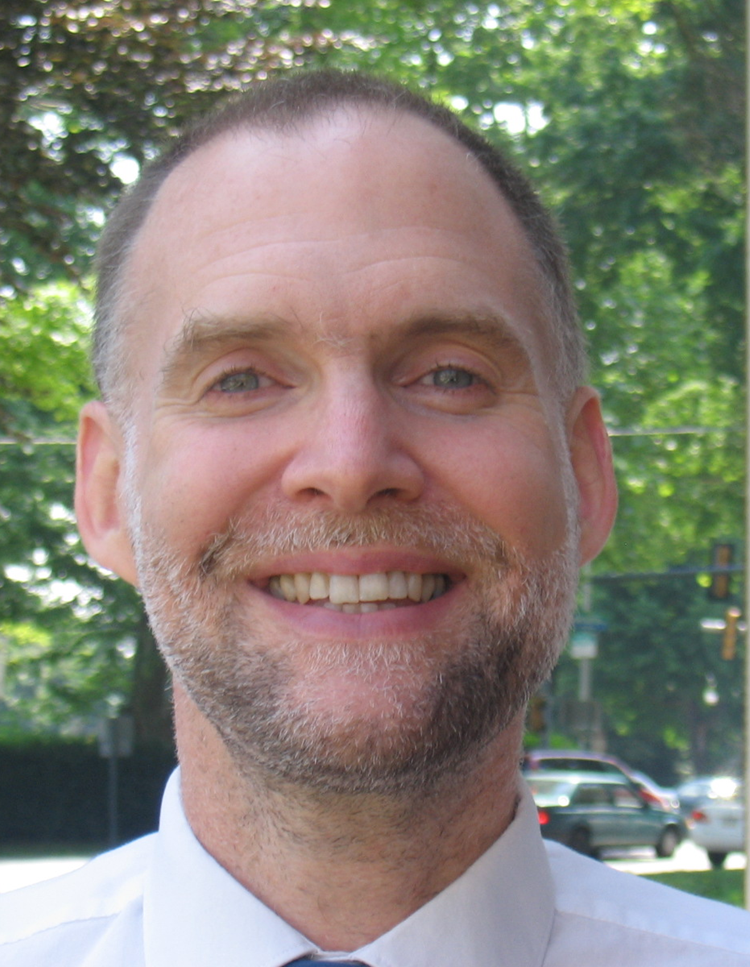
Craig Keener on Anti-supernaturalism and Cessationism
“Is [Craig S. Keener] seriously suggesting that there is a cause and effect relationship between German anti-supernaturalism and cessationism?”
— From comments on Craig Keener’s review of John MacArthur, Strange Fire
It’s not cause-and-effect, though there is a relationship. Antisupernaturalism may have made it easier for hard cessationism to flourish and harder for continuationism to get a hearing, but the influence apparently went especially from cessationism to antisupernaturalism. (Here I am not referring to belief in the cessation of this or that gift, but the actual belief that miracles had ceased, i.e., hard cessationism.)
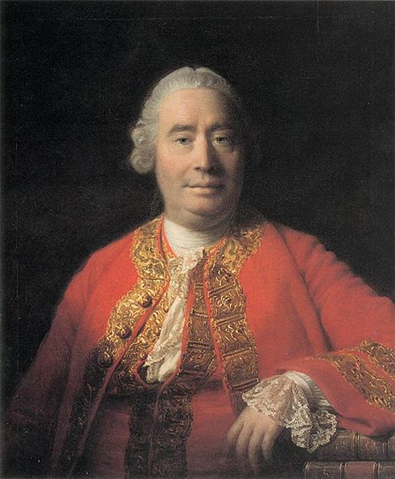
Image: Wikimedia Commons
David Hume (Scottish, not German) was able to gain ground in his argument against miracles, following English Deists (the connection with Deists is established quite clearly in The Great Debate on Miracles: from Joseph Glanvill to David Hume (Lewisburg, Pa.: Bucknell University Press, 1981), partly because cessationism was so widespread that many dismissed evidence for current miracles. The same evidence for current miracles — testimony of experience — was also the evidence for biblical miracles, so discrediting the former led to skepticism about the latter. Openness to the possibility of current miracles also led to stronger defenses for biblical miracles. See on this point especially Robert Bruce Mullin, Miracles and the Modern Religious Imagination (New Haven: Yale University Press, 1996).
Today there are sufficient credible miracle reports to turn the tide against skeptical scholars who deny claims of miracles in the Gospels. It is no longer plausible to argue that eyewitnesses do not claim these kinds of experiences in theistic contexts. For hard cessationists to deny miracle claims based on eyewitness evidence today (rather than to explore the reliability of the witnesses) is to play into the hands of antisupernaturalist critics, who are more than happy to use the same standard to deny all miracle claims in the Bible.
PR
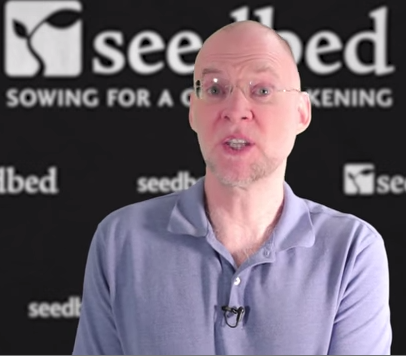






We have received a response from Jacques Schoeman (who wrote the original comment about cause and effect). He is having difficulty with the comment application, so we post this here for him at his request. – Pneuma Review
In response to Craig Keener,
Cessationists do believe in miracles. They, in keeping with their theocentric beliefs, hold that God sovereignly heals when and how He chooses to. That may be the old lady in hospital diagnosed with cancer. It may mean the next door neighbor with a cold. When proven, no miracle worker was near the scene of the true life event. What they don’t believe in are miracles of the Schleiermacher order as Keener suggests we must accept them: based on the ‘experience’ of others. That is how the majority of miracles today are claimed to occur, yet for some inexplicable reason can never be proven. When insisted they be proven, no compelling evidence is brought forward. Instead of alleviating the suspicions of cessationists, it only succeeds in alarming them further. And the flourishing exposes of fake faith-healers courtesy of Youtube and Facebook does not calm our growing agitation, but rather ignites a holy fervor within us. This does not promote continuationist claims, but rather harms their cause.
That there should be an abundance of miracles as claimed by Keener runs contrary to the very definition of a miracle: an extraordinary event. Thereby it does not follow how faith-healers can claim to work mass healings to the tune of thousands of people – which they themselves insist happens. They!
I am happy that Keener has cleared up the fact that there is no cause-and-effect relationship between anti-supernaturalism and cessationism, and can even understand that on the surface there appears to be some kind of relationship. But Keener still needs to show why cessationists believe in the miracles of the Bible, while anti-supernaturalists do not. That he cannot explain it, except that he admit that two very different sets of presuppositions are at work, cannot justify the greatest difficulty Keener is yet faced with: that they reach very different conclusions, and, to borrow a favorite term from Keener, produce very different ‘experiences’. ‘Hard’ cessationism, grounded in Scottish realism, is indeed a very ‘hard’ case to crack. Ruthven and Keener may think they have wowed the crowds, but Bible-believing cessationists remain theologically unfazed.
– Jacques Schoeman
i am so glad that i can find material like this from Craig and other brothers in Christ. i am sidelined at home due to long term injury and lean on good teaching to help me stay positive. Craig has been such a blessing to me this morning as i have watched several of his youtube videos and read articles today.
he reminds me that the Holy Spirit truly DOES change our lives and is the Promise of our eternal life with Jesus. it is so sad to think that many Christians think that the Holy Spirit does not work in our lives the way He did in the first century.
i am desperate and needy. i need my precious Good Shepherd to guide me and i need the Holy Spirit to help me understand and i am so grateful for His gifts.
why anyone would spurn those gifts is beyond me.