The word peace as used in the gospels and in Ephesians means to bind together those things that were separated. Jesus made peace through the blood of His cross (Col. 1:20), thus binding together the believing sinner and the holy God. The Holy Spirit produces the fruit of peace in the life of that believer. This fruit is manifested in proportion to the believer’s yieldedness to the Spirit.
Isaiah told God, “You will keep him in perfect peace, whose mind is stayed on You, because he trusts in You” (Isa. 26:3, MEV). The battleground is the mind—“To be carnally minded is death, but to be spiritually minded is life and peace” (Rom. 8:6, MEV). The apostle Paul speaks to all of us when he tells the Colossians to “Let the peace of God, to which also you are called in one body, rule in your hearts. And be thankful” (Col. 3:15, MEV). And we are to remember that that peace comes from the Holy Spirit. Peace comes as we take everything to God in prayer with thanksgiving: “And the peace of God, which surpasses all understanding, will protect your hearts and minds through Christ Jesus” (Phil. 4:7, MEV). The life of the believer shows proper growth and development when the power of the Holy Spirit enriches that growth in character.
All the virtues of the fruit of the Spirit are to be shared with others.
Since God is a God of peace (I Thess. 5:23) and His Son is the Prince of Peace (Isa. 9:6), it follows that this endowment enables the believer to partake in the peace which is a part of the divine nature.
The fruit of the Spirit is a manifestation of Christ’s nature in the life of the Christian by the Holy Spirit. The peace of natural man is very different from the scriptural definition of divine peace. In human concept, peace implies mental tranquility, absence of tension, or a settlement of disputes. Peace, the fruit of the Spirit, is the secure and confident repose of the soul in God himself. Believers have composure of spirit in all circumstances because they are divinely insulated by the Holy Spirit, not from trials, but from the anxiety of life.
Peace is manifested in proportion to the believer’s yieldedness to the Spirit.
Divine peace has two aspects. The believer has peace with God (Rom. 5:1). The believer also enjoys the peace of God (Rom. 15:13). We must have peace with God before we can have the peace of God. Both are the fruit of the Spirit. Peace with God is the calm assurance that Christ’s atonement for sin has reconciled us with God: we are His children. The peace of God is given to those who love His word: “Those who love Your law have great peace, and nothing shall cause them to stumble” (Psa. 119:165, MEV). In a song of praise Isaiah says to God, “You will keep him in perfect peace, whose mind is stayed on You, because he trusts in You” (Isa. 26:3, MEV). The Son of God did not make our peace and then retire. His abiding presence with us is the essence of divine peace. Paul prays, “Now may the Lord of peace Himself give you peace always in every way” (II Thess. 3:16, MEV). Peace, the fruit of the Spirit, is Christ’s gift to us. Jesus said, “Peace I leave with you. My peace I give to you. Not as the world gives do I give to you” (John 14:27, MEV). After the resurrection, Jesus appeared to His disciples and said, “Peace be with you” (John 20:19, MEV). These powerful words conveyed the Lord’s blessing upon the disciples; in fact, they brought divine peace to the troubled hearts of His followers.
Peace comes from the Holy Spirit. Peace comes as we take everything to God in prayer with thanksgiving.
All the virtues of the fruit of the Spirit are to be shared with others. What would be the use of love if believers never manifested it to others? Divine peace is a part of Christian character; therefore, it is intended to witness of Christ in social interaction. Our Lord undoubtedly had this in mind when He said, “Blessed are the peacemakers, for they shall be called the sons of God” (Matt. 5:9, MEV). The word “peacemaker” should not be restricted to the reconciliation of those at variance. The Christian peacemaker is an expositor of spiritual peace in all daily activities; words and behavior display the peace of Christ within him. This visible testimony is commended by James who shows its influence upon others: “And the fruit of righteousness is sown in peace by those who make peace” (James 3:18, MEV).
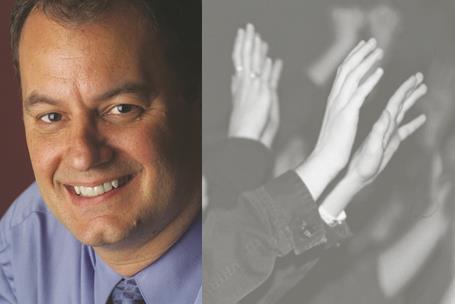
James F. Linzey studied church growth under C. Pete Wagner and signs and wonders under John Wimber at Fuller Theological Seminary. He served on the large ministry team at the Anaheim Vineyard and is the chief editor of the Modern English Version Bible. He has a BA degree in Biblical Studies from Southern California College, and an MDiv degree from Fuller Theological Seminary. He is the author of numerous articles and books, speaker, and recording artist. MilitaryBibleAssociation.com. Wikipedia.org/wiki/James_F._Linzey.
J. Lee Grady, “The Holy Spirit Wants to Fill You Again,” Fire In My Bones (February 22, 2017). This is a brief, but important article. Lee Grady, one of the most mature and experienced Charismatic leaders of the present generation, urges us to be filled with the Holy Spirit and proceed with boldness to do…
Church historian William L. De Arteaga shows us that the supernatural aspects of missionary John Nevius’ ministry in China was suppressed and forgotten in the West. When Protestant missionaries arrived in China early in the Nineteenth Century they had all been educated into cessationism. Part of this awful theology was the belief that exorcism…
This chart is from part 2 of the sixth chapter of the Praying in the Spirit Series. Figure 2 Proposed Dates of Charismata Cessation Robert Graves Robert W. Graves, M. A. (Literary Studies, Georgia State University), is the co-founder and president of The Foundation for Pentecostal Scholarship, Inc., a non-profit organization…
Craig S. Keener, author of Miracles: The Credibility of the New Testament Accounts, discusses the different views skeptics hold about miracles while providing statistical information about what Americans think about miracles. This is part 1 of a special lecture series on apologetics given at Southwestern Assemblies of God University in the Summer of 2014,…
Jeff Oliver, author of the three-volume Pentecost to the Present: The Holy Spirit’s Enduring Work in the Church, brings a challenge to church leaders: desire and operate in the gifts of the Spirit. The greatest problem facing the church today may not be a new one, but an old one. Jesus said, “No one pours…
This chart is from part 2 of the sixth chapter of the Praying in the Spirit Series. Figure 1 First Corinthians 13—Consensus on Non-Pentecostal Scholars The following non-Pentecostal/charismatic commentators view “the perfect thing” (verse 10) as yet to come; an asterisk indicates that they take the “now” of verse 13 to mean that faith and…
To provide the best experiences, we use technologies like cookies to store and/or access device information. Consenting to these technologies will allow us to process data such as browsing behavior or unique IDs on this site. Not consenting or withdrawing consent, may adversely affect certain features and functions.
Functional
Always active
The technical storage or access is strictly necessary for the legitimate purpose of enabling the use of a specific service explicitly requested by the subscriber or user, or for the sole purpose of carrying out the transmission of a communication over an electronic communications network.
Preferences
The technical storage or access is necessary for the legitimate purpose of storing preferences that are not requested by the subscriber or user.
Statistics
The technical storage or access that is used exclusively for statistical purposes.The technical storage or access that is used exclusively for anonymous statistical purposes. Without a subpoena, voluntary compliance on the part of your Internet Service Provider, or additional records from a third party, information stored or retrieved for this purpose alone cannot usually be used to identify you.
Marketing
The technical storage or access is required to create user profiles to send advertising, or to track the user on a website or across several websites for similar marketing purposes.